The Moment a Website Loses Your Trust
Have you ever tried to cancel something online and felt weirdly stuck? You click through 3 menus, end up on a FAQ page, and somehow the “Cancel” button is nowhere to be found. Or maybe you’ve seen a countdown timer that resets when you refresh the page.
That feeling, that subtle shift from confidence to suspicion is where ethical UX begins.
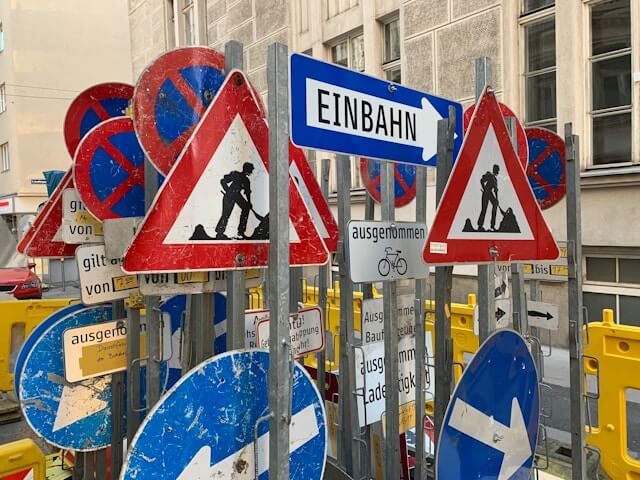
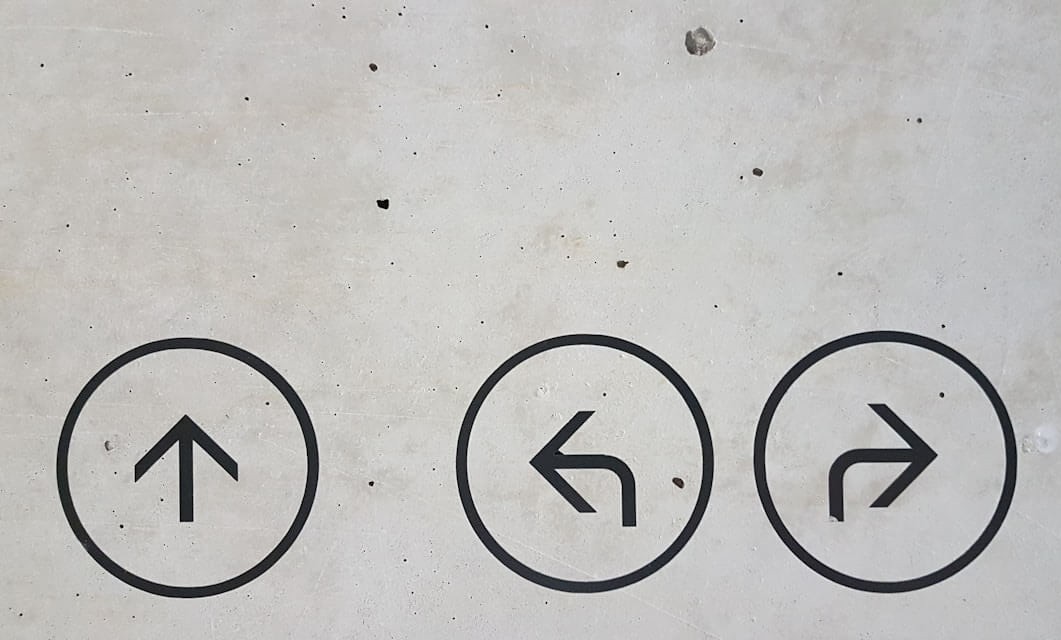
Nobody likes confusion! And why would they?
We’ve All Experienced Manipulative Design
Most people can’t name “dark patterns,” but they recognize them instantly. Fake urgency, hidden fees at checkout, pre-checked marketing boxes, or confusing subscription models. These aren’t accidents, they’re deliberate design choices.
They often work in the short term. But they also leave users feeling tricked, and that emotional aftertaste becomes associated with the brand.
The Short-Term Win vs. Long-Term Trust
It’s easy to justify aggressive tactics because they tend to boost conversions. More clicks, more sign-ups = more revenue. But trust compounds in a way that pressure tactics don’t. A user who feels respected is far more likely to return, refer, and buy again than someone who felt cornered into a decision.
Where Designers Draw the Line
There’s nothing unethical about persuasion. Clear calls to action, thoughtful funnels, and confident messaging are part of good UX and good marketing. People on your site usually do want to buy your product! The line is crossed when clarity turns into concealment and manipulation tactics. When important information is hidden, friction is added intentionally, or confusion is used as leverage, that's when any good designer will start to feel icky about their work.
Always trying to do better. ☺
Ethical UX Is Also About Inclusion
Ethics in design isn’t just about avoiding manipulation. It’s also about asking who might be excluded.
Is the text readable? Are color contrasts accessible? Can someone navigate your site without frustration? Would a blind person be able to have a positive experience on your site with accessibility features enabled? Making sure that everyone has access to the beautiful design you build is part of what makes UX so important. It builds brand credibility by building trust with all its users.
Why This Matters for Your Brand
Your website communicates your standards before you ever speak to a client. If the experience feels transparent and respectful, it signals confidence. Ethical UX isn’t about being idealistic. It’s about recognizing that design influences behavior, and choosing to use that influence in a way that builds relationships instead of exploiting them.

I care deeply about making sure everyone is included.
Why I Prefer Projects Where Clients Care About Ethics
At the end of the day, any good designer cares about ethical UX because design isn’t neutral. Every layout, button, and flow either respects the user or takes advantage of them. The work that we create has influence, and with that influence comes responsibility. Ethical UX isn’t about being perfect; it’s about choosing transparency over trickery and long-term relationships over short-term gains. When users feel safe, informed, and respected, everyone wins. I will always do by best to help the users first so everyone wins!
Do you care about your users? Then we are aligned!
If you’re curious how your website’s user experience might be affecting your customers, I’d be happy to take a look.
We offer UX Audits & More