How Do We Define Empathetic Design?
“Design with empathy” is one of those phrases that sounds inspiring but also slightly vague. It shows up in design talks, agency websites, and brand mission statements. But when you’re actually building a website, what does empathy look like in real decisions?
In practice, empathy isn’t abstract. It shows up in structure, language, layout, and restraint. It’s less about being emotional and more about being intentional. And when done well, users can feel it, even if it's only subconscious.

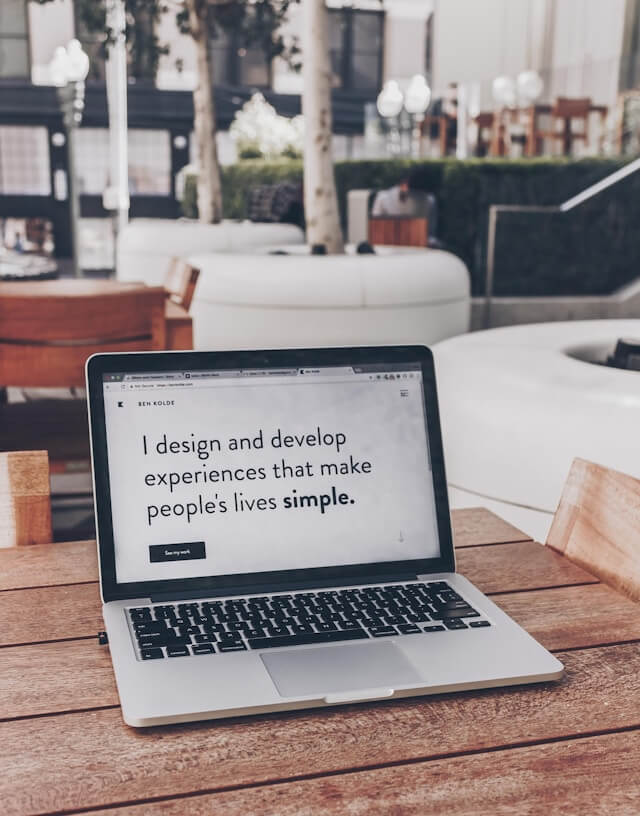
Working with people in mind first.
Empathy Starts With Slowing Down
As the designer (or business owner), you understand your service inside and out. Your users don’t. One of the most practical forms of empathy is recognizing that gap.
Empathetic design asks: What would this look like to someone seeing it for the first time? Are we using industry jargon? Are we assuming background knowledge? Are we skipping steps because they feel obvious to us? Designing with empathy often means slowing down and explaining things more clearly than feels necessary.
Respecting People’s Time and Attention
Most users don’t read websites word for word. They scan. They skim. They look for reassurance that they’re in the right place. Empathy in practice means structuring content so it works for that behavior instead of fighting it. Clear headings, logical flow, and obvious next steps are choices that respect the way people actually consume information online.
Anticipating Frustration Before It Happens
One of the strongest forms of empathy is anticipation. Where might someone hesitate? What questions will they have before they click? What might make them abandon the page entirely? Thoughtful UX answers those questions before they become obstacles. Transparent pricing, clear timelines, straightforward navigation... these decisions prevent doubt from growing. When friction is reduced proactively, the experience feels effortless.
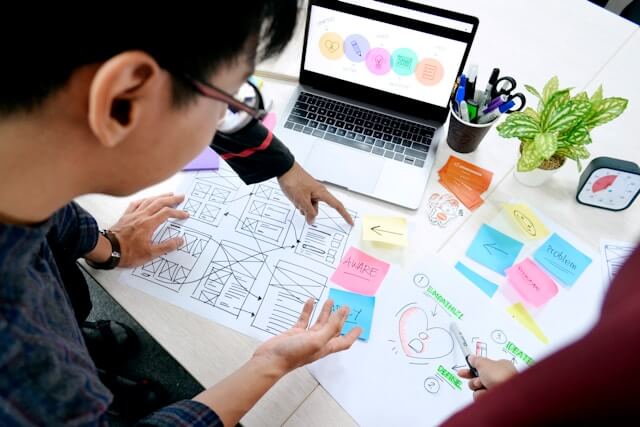
Anticipating frustration is one of the cornerstones of UX!
Designing for Emotional Reality, Not Just Function
Users don’t arrive at your website as neutral observers. They might feel overwhelmed, unsure, excited, or skeptical.
Empathetic design acknowledges that emotional state. A cluttered layout can increase stress. A calm structure with generous spacing can lower it. Confident, reassuring copy can ease hesitation. The design of a site influences how people feel while making decisions.
Inclusion Is a Practical Expression of Empathy
Accessibility is at the core of empathetic design. We want to recognize that not everyone interacts with a website in the same way. Readable font sizes, strong contrast, accessible navigation, and clear link descriptions make your site usable for more people. These choices aren’t extras, they’re signals that your business values clarity and cares about its users.
Empathy Isn’t Anti-Business
I'm not sure why in 2026 this still needs to be said, but sometimes empathy is mistaken for softness.. as if considering the user means sacrificing sales. In reality, the opposite is true. When people feel understood, they move forward with more confidence. They don’t need to be pushed. They don’t need urgency tricks. They trust what they’re seeing. That trust is what turns visits into inquiries and inquiries into long-term clients.


Calming, beautiful experiences can be so helpful for users in the right context!
Empathy Shows Up Everywhere
Designing with empathy means remembering that every click represents a real person trying to solve a problem. It means choosing clarity over cleverness, transparency over pressure, and structure over assumption. In practice, empathy shows up in dozens of small decisions, and those decisions shape whether your website feels frustrating or reassuring. When users feel considered, the experience becomes smoother, the message becomes stronger, and your business' relationships begin on the right foundation.
Do you care about your users? Then we are aligned!
If you’re curious how your website’s user experience might be affecting your customers, I’d be happy to take a look.
We offer UX Audits & More